
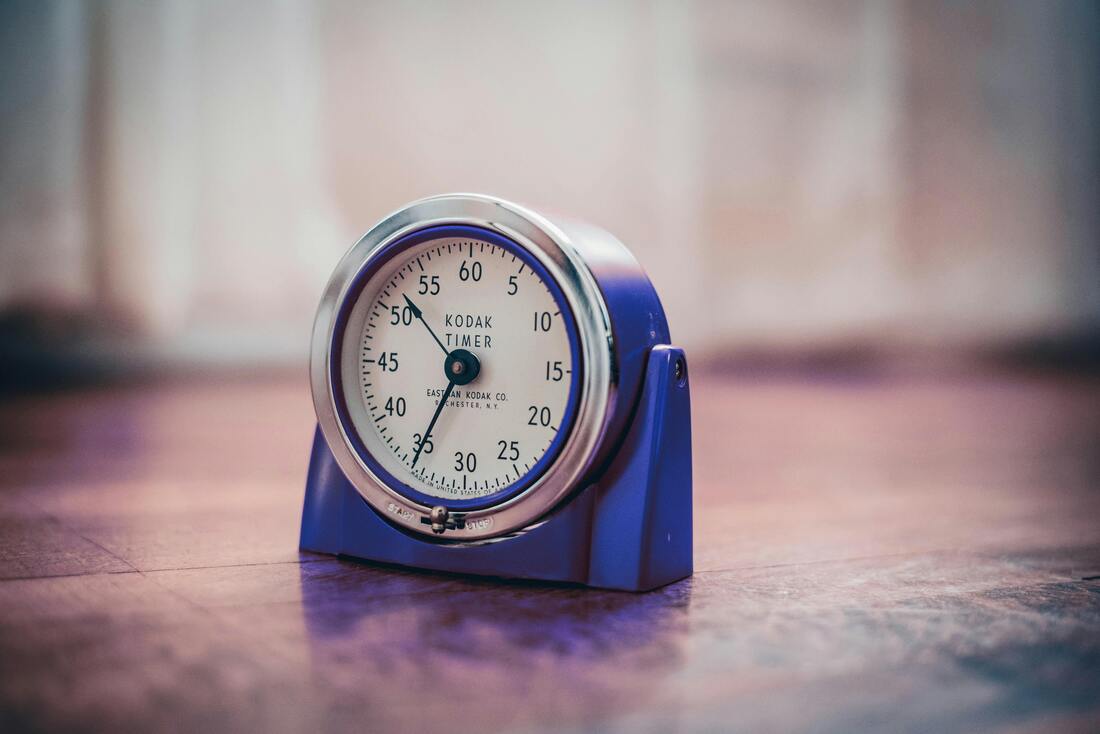
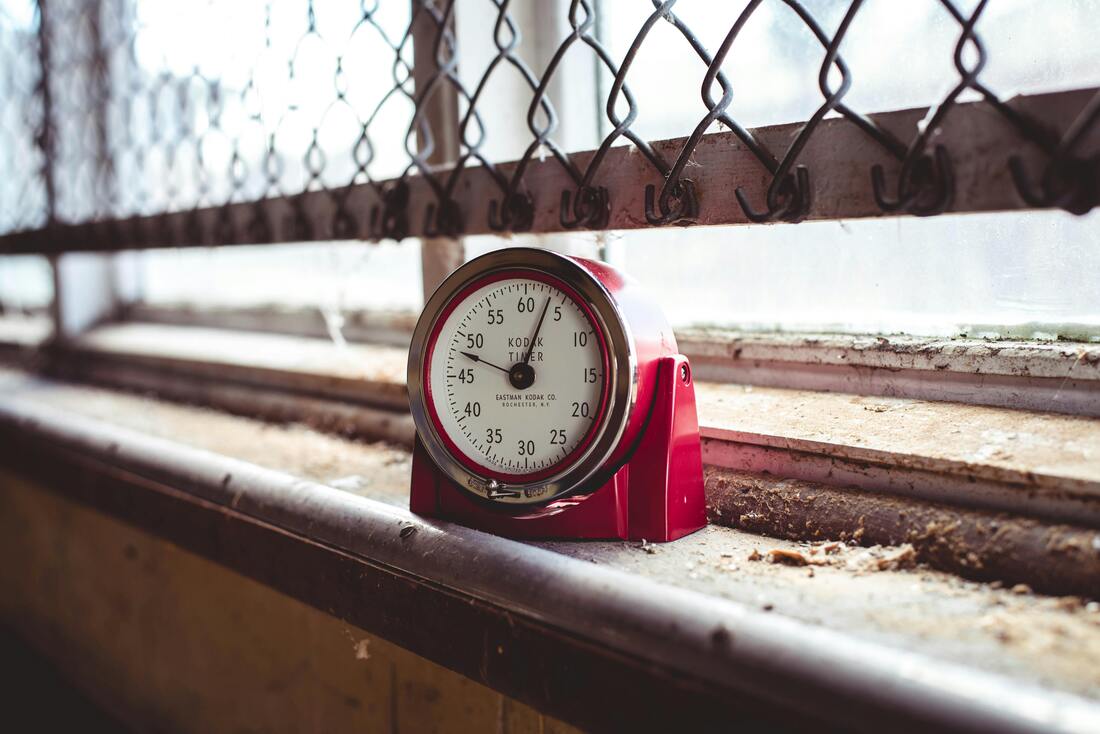
A kitchen timer is just a simple thing that counts down time and buzzes when it's done. You usually need it when you’re cooking, baking, or boiling stuff.
It’s there to help you get the timing right so your food isn’t raw or burnt to a crisp. You can also use it for making tea, letting dough sit, marinating meat, or other stuff around the house.
**Types of Kitchen Timers**
**A. Old-School Mechanical Timers**
These work with a spring and gears.
You twist it to set the time (usually up to an hour).
When the time’s up, it rings.
Good points: No batteries needed, feels nice to use, simple.
Bad points: Can’t time for very long, not super precise, can break down over time.
**B. Modern Digital Timers**
These use electric stuff and show the time on a screen.
You press buttons or use a touch screen to work them.
Good points: Really correct time, can time for hours, can have more than one timer running, can count up or down, remember settings, and have loud alarms.
Bad points: Need batteries or power, don’t like water.
**C. Fancy Hybrid/Smart Timers**
These have a mix of knobs and a digital screen.
Some can even connect to your phone or oven.
Good points: Easy to set, right on time, can do extra things.
Bad points: Cost more, overdoing it if you just need a basic timer.
**What the Features Mean**
* **Max Time:** Must go long enough for what you cook (1 hr for mechanical, up to 24 for digital).
* **How Correct:** How close the time is to actual time (Digital is exact; Mechanical can be off by a minute or two).
* **Alarm Sound:** How you know when time is up (Mechanical = ring, Digital = beep. About as loud as a shout).
* **Screen:** How easy it is to see the time. (Big screen is good; a light helps when it’s dark).
* **Easy to Work:** How easy it is to set, start, stop, and reset (Big buttons or knobs are good for messy hands).
* **How to Put It:** Where you can stick it. (Magnet for the fridge, stand for the counter, hook to hang it).
* **Many Timers:** For doing more than one thing at once (Digital ones often have two or three).
* **Count Up:** Like a stopwatch to see how long it’s been going after the alarm (Good if you miss the buzz).
* **Saves Time:** Remembers times you use a lot (Great for doing the same thing over).
* **Sturdy:** Can handle getting wet or hot (Get one that can handle splashes).
* **Battery Life:** For digital ones (Lasts months with regular batteries).
**How to Use a Kitchen Timer**
* Set it a little early – Give yourself a minute to react.
* Put it where you can see and hear it – Like on the fridge or counter.
* Use different timers for different things.
* For digital ones:
* Push “Set,” pick minutes/seconds, then push “Start/Stop.”
* Use “Save” or “Remember” if you always use the same time.
* For mechanical ones:
* Turn it past zero, then back to the time you want (helps it wind right).
* After cooking:
* Wipe it with a damp cloth. Don’t dunk it in water.
* Take the batteries out of digital ones if you’re not using it.
**Other Ways to Use It**
* Timing when dough needs to sit.
* Making tea or coffee.
* Working out.
* Studying or working (using the Pomodoro thing).
* Doing laundry or cleaning.
**Tips for Picking One**
* Get the simplest one that works for you – too many buttons can mess you up when you’re in a hurry.
* Make sure the alarm is loud if your kitchen is noisy.
* Get one with two timers if you cook a lot of things together.
* If you like simple, get a wind-up timer.
* If you bake or roast, get one that goes for hours.
* A magnet on the back is super handy.
**Taking Care of It**
* Keep it away from heat and steam.
* Don’t use it with wet hands.
* Change the batteries.
* Keep it dry.
* Don’t wind mechanical timers too tight.
* If kids are around, make sure there aren’t small pieces they can pull off.
**What It Can't Do**
* Mechanical timers don’t go for very long.
* Cheap digital timers can have quiet alarms or hard-to-see screens.
* Kitchen timers don’t measure how hot things are—just time.
* Not all are waterproof—wipe it, don’t wash it.
**Quick Look**
| Aspect | Mechanical Timer | Digital Timer |
| --------------- | ---------------- | ------------- |
| Power | None | Battery |
| How Close | Okay | Great |
| Time Range | 1–60 min | Up to 24 hrs |
| Easy to Use | Super simple | A little more |
| Taking Care | Not much | Need battery |
| Alarm Volume | Medium | Can adjust |
| How Long It Lasts| Lasts long | Depends |
| Cost | Cheap | Cheap/Mid |
It’s there to help you get the timing right so your food isn’t raw or burnt to a crisp. You can also use it for making tea, letting dough sit, marinating meat, or other stuff around the house.
**Types of Kitchen Timers**
**A. Old-School Mechanical Timers**
These work with a spring and gears.
You twist it to set the time (usually up to an hour).
When the time’s up, it rings.
Good points: No batteries needed, feels nice to use, simple.
Bad points: Can’t time for very long, not super precise, can break down over time.
**B. Modern Digital Timers**
These use electric stuff and show the time on a screen.
You press buttons or use a touch screen to work them.
Good points: Really correct time, can time for hours, can have more than one timer running, can count up or down, remember settings, and have loud alarms.
Bad points: Need batteries or power, don’t like water.
**C. Fancy Hybrid/Smart Timers**
These have a mix of knobs and a digital screen.
Some can even connect to your phone or oven.
Good points: Easy to set, right on time, can do extra things.
Bad points: Cost more, overdoing it if you just need a basic timer.
**What the Features Mean**
* **Max Time:** Must go long enough for what you cook (1 hr for mechanical, up to 24 for digital).
* **How Correct:** How close the time is to actual time (Digital is exact; Mechanical can be off by a minute or two).
* **Alarm Sound:** How you know when time is up (Mechanical = ring, Digital = beep. About as loud as a shout).
* **Screen:** How easy it is to see the time. (Big screen is good; a light helps when it’s dark).
* **Easy to Work:** How easy it is to set, start, stop, and reset (Big buttons or knobs are good for messy hands).
* **How to Put It:** Where you can stick it. (Magnet for the fridge, stand for the counter, hook to hang it).
* **Many Timers:** For doing more than one thing at once (Digital ones often have two or three).
* **Count Up:** Like a stopwatch to see how long it’s been going after the alarm (Good if you miss the buzz).
* **Saves Time:** Remembers times you use a lot (Great for doing the same thing over).
* **Sturdy:** Can handle getting wet or hot (Get one that can handle splashes).
* **Battery Life:** For digital ones (Lasts months with regular batteries).
**How to Use a Kitchen Timer**
* Set it a little early – Give yourself a minute to react.
* Put it where you can see and hear it – Like on the fridge or counter.
* Use different timers for different things.
* For digital ones:
* Push “Set,” pick minutes/seconds, then push “Start/Stop.”
* Use “Save” or “Remember” if you always use the same time.
* For mechanical ones:
* Turn it past zero, then back to the time you want (helps it wind right).
* After cooking:
* Wipe it with a damp cloth. Don’t dunk it in water.
* Take the batteries out of digital ones if you’re not using it.
**Other Ways to Use It**
* Timing when dough needs to sit.
* Making tea or coffee.
* Working out.
* Studying or working (using the Pomodoro thing).
* Doing laundry or cleaning.
**Tips for Picking One**
* Get the simplest one that works for you – too many buttons can mess you up when you’re in a hurry.
* Make sure the alarm is loud if your kitchen is noisy.
* Get one with two timers if you cook a lot of things together.
* If you like simple, get a wind-up timer.
* If you bake or roast, get one that goes for hours.
* A magnet on the back is super handy.
**Taking Care of It**
* Keep it away from heat and steam.
* Don’t use it with wet hands.
* Change the batteries.
* Keep it dry.
* Don’t wind mechanical timers too tight.
* If kids are around, make sure there aren’t small pieces they can pull off.
**What It Can't Do**
* Mechanical timers don’t go for very long.
* Cheap digital timers can have quiet alarms or hard-to-see screens.
* Kitchen timers don’t measure how hot things are—just time.
* Not all are waterproof—wipe it, don’t wash it.
**Quick Look**
| Aspect | Mechanical Timer | Digital Timer |
| --------------- | ---------------- | ------------- |
| Power | None | Battery |
| How Close | Okay | Great |
| Time Range | 1–60 min | Up to 24 hrs |
| Easy to Use | Super simple | A little more |
| Taking Care | Not much | Need battery |
| Alarm Volume | Medium | Can adjust |
| How Long It Lasts| Lasts long | Depends |
| Cost | Cheap | Cheap/Mid |